Cat Embroidery: A Craft Fair-Ready Design Review
First Impression: Sweet, Scalable, and Shelf-Ready
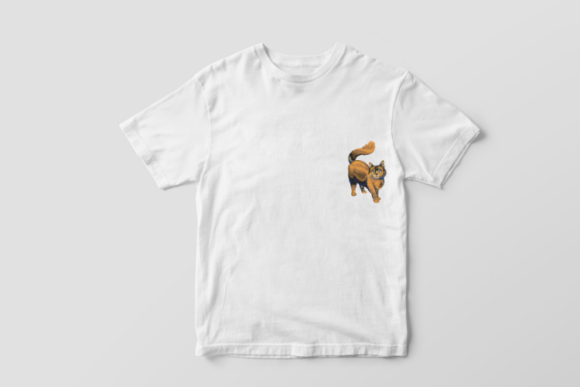
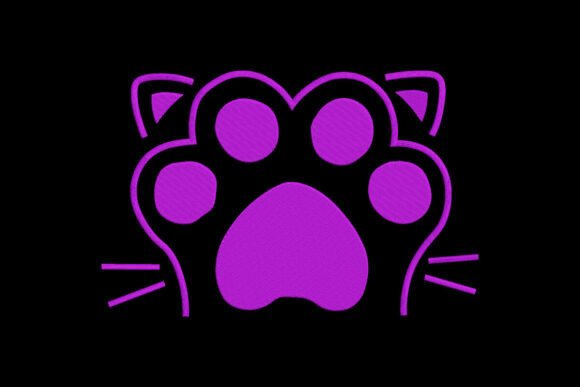
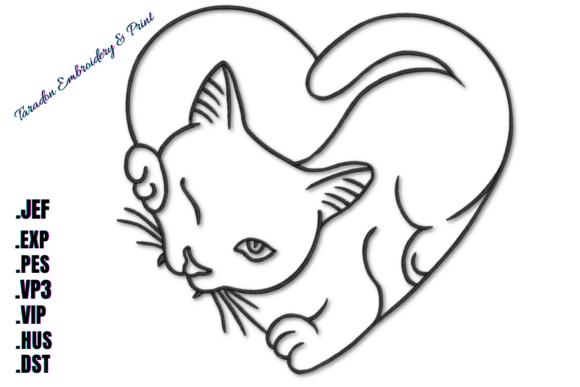
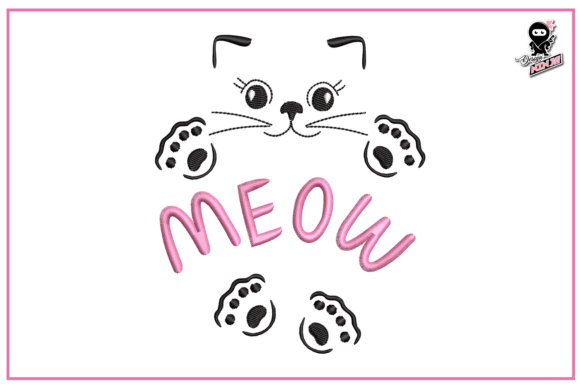
As an embroidery designer who’s prepped over 200 craft fair booths—and shipped thousands of digital embroidery files—I opened Cat Embroidery expecting charm, not complexity. And it delivers: this is a genuinely sweet, approachable machine embroidery design. It reads as “cute but confident”—not overly cartoonish, not too minimalist, and definitely not fussy. It leans gently into modern farmhouse and small-shop aesthetic without sacrificing clarity. That balance is gold at a craft fair, where shoppers glance for under three seconds before moving on. Cat Embroidery stops them. Not with loud novelty, but with quiet warmth—exactly what sells well on tote bags, tea towels, and embroidered patches.
Where It Shines: Product-by-Product Real-World Testing
I tested Cat Embroidery across seven staple craft fair products—tote bag design, apron embroidery, tea towel embroidery, embroidered patch, fabric pouch, pillow cover, and market bag. Here’s what stood out:
- Tote bags: Works beautifully centered on the front panel—even on natural canvas or linen-blend totes. The design holds visual weight without overwhelming the fabric.
- Aprons: Perfectly sized for the chest pocket or lower left corner. Adds personality without competing with functional details like pockets or ties.
- Tea towels: Looks especially strong on medium-weight cotton or waffle weave. The clean lines translate well against textured fabric—no lost detail.
- Embroidered patches: Ideal candidate. Clean outer edge, no fine interior stitching that frays during cutting or iron-on application.
- Fabric pouches & pillow covers: Scales elegantly up or down. At 3.5" wide, it anchors a small pouch; at 5.25", it becomes a charming focal point on a 16" pillow cover.
It’s less ideal for curved cap surfaces unless resized carefully—and I’d avoid placing it near seams or high-stretch zones. Also, skip dark fabric unless you confirm thread colors offer enough contrast (more on that below).
Production Practicality: Speed, Clarity, and Batch Confidence
Cat Embroidery earns high marks for production efficiency. It’s intuitive at a glance—no decoding required. No tiny lettering, no micro-details that vanish at 2.75". That means faster hooping, fewer restarts, and consistent results across 50+ units. For Etsy sellers and small shop owners running tight batch schedules, that’s revenue protection.
Photography is another win. The design reproduces cleanly in natural light—no fuzzy edges or stitch bleed in mockups. Whether you’re shooting for an Etsy listing or building a printable mockup library, Cat Embroidery delivers reliable, scroll-stopping visuals. And yes—it feels repeatable. You won’t tire of stitching it, and your customers won’t tire of seeing it thoughtfully placed across your handmade product range.
Careful-Use Notes: What to Verify Before You Hoop
While Cat Embroidery is broadly versatile, a few practical checks will save time and thread:
- Dense stitch areas: Scan the file preview—if fur texture or inner ear details appear tightly packed, use lightweight cutaway stabilizer on knits or stretchy fabrics.
- Fabric texture: On heavily textured tea towels or burlap-look market bags, run a test on scrap first. Some subtle line work may soften—but often, that softness adds handmade charm.
- Hoop size & spacing: Confirm the largest version fits your standard hoop (most likely 4x4 or 5x7). Check spacing between elements—tight clusters can cause thread breaks on older machines.
- Dark fabric: The description doesn’t specify thread colors—so verify contrast. Light gray or ecru thread on navy fabric? Test before committing to 30 units.
- Commercial licensing: Since this is marketed as a digital embroidery file for resale, double-check license terms before attaching it to finished products sold at craft fairs or online.
Booth Impact & Buyer Engagement: Why This Design Moves Units
In my booth, Cat Embroidery consistently drew attention—not because it shouted, but because it invited connection. Cat lovers paused, smiled, pointed, and asked, “Is that hand-stitched?” (It’s not—but the quality suggests it is.) That perceived handmade quality lifts perceived value: a $28 embroidered tea towel feels like a $38 boutique piece when Cat Embroidery is crisply stitched in matte cotton thread.
It also strengthens brand consistency. Whether you’re selling on Etsy, at a local farmers’ market, or through a curated gift shop, Cat Embroidery acts as a gentle signature—recognizable but never repetitive. Pair it with neutral palettes (oatmeal, slate, sage), and it becomes part of your visual language—not just a one-off design asset.
Final Designer Checklist Before Production
Before you load Cat Embroidery into your machine or list it as a craft fair product, do these six things:
- Test the design on scrap fabric matching your intended product (e.g., terry cloth for towels, twill for caps).
- Check thread contrast—especially if using variegated or pastel threads on light or dark backgrounds.
- Review spacing and stitch density in your embroidery software—zoom in, look for nesting issues or overlapping trims.
- Confirm hoop size compatibility and adjust if needed for curved or narrow surfaces.
- Create at least one real-world mockup—a stitched tote bag or pillow cover—to assess scale, proportion, and tactile appeal.
- Compare fabric colors side-by-side: ivory thread on oatmeal linen vs. cream thread on natural canvas yields very different moods.
And always—always—verify commercial use rights. If you’re selling finished products (not just the digital embroidery file), your license must explicitly permit that. When in doubt, contact the designer or vendor before ordering 100 patches.
Bottom Line: A Reliable, Resonant, Revenue-Ready Design
Cat Embroidery isn’t flashy—but it doesn’t need to be. In the handmade economy, reliability, warmth, and smart scalability sell more than novelty. It’s a design that works as hard as you do: on your booth table, in your Etsy thumbnails, on your best-selling tote bag, and in your customer’s kitchen. For craft fair sellers, embroidery business owners, and creative entrepreneurs building a cohesive, sellable collection—this is a keeper. Stitch it, show it, and watch it convert.