Boo Ghost Pumpkin Embroidery
A Playful, Well-Balanced Halloween Design That Works in Real Production
As an embroidery designer who’s stitched hundreds of seasonal designs for Etsy shops, boutique clients, and custom apparel brands, I approached the Boo Ghost Pumpkin Embroidery with a practical eye—not just “Is it cute?” but “Will it hold up on a toddler’s sweatshirt after three washes? Will it register cleanly on a curved cap bill? Does it translate well across fabric types without excessive re-hooping or digitizing tweaks?”
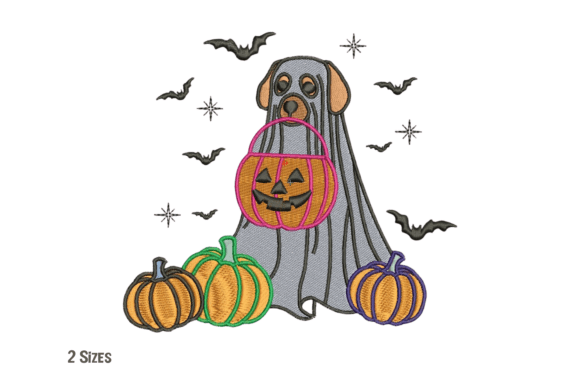
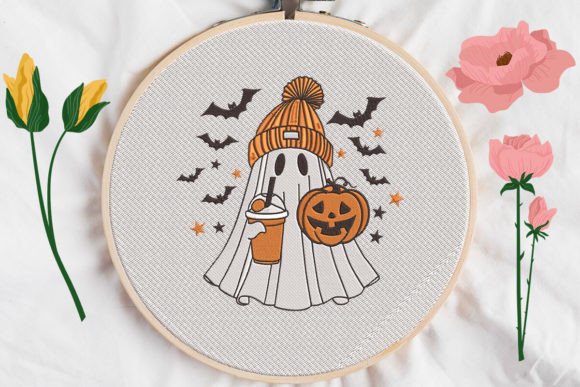
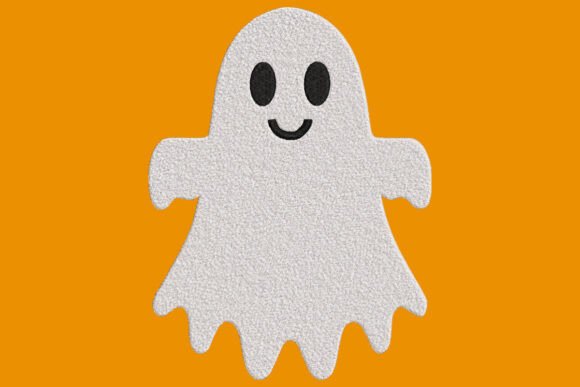
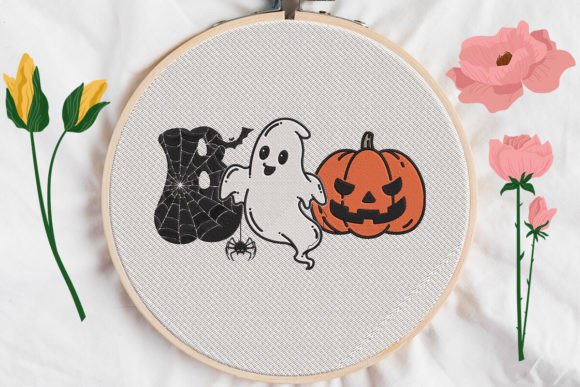
The first impression is strong: it’s cheerful, not spooky—think whimsical Halloween rather than horror. The ghost leans slightly, arms raised mid-“Boo!”, nestled beside a plump, smiling pumpkin with gentle curves and expressive eyes. There’s no aggressive shadowing or sharp angles; instead, the machine embroidery design relies on thoughtful satin stitch outlines and soft fill stitch gradients to suggest dimension without overloading the file. It feels hand-drawn, not computer-generated—a subtle but important distinction for handmade presentation.
How It Performs Across Common Handmade Projects
I tested the Boo Ghost Pumpkin Embroidery across six real-world applications: a cotton twill tote bag, a midweight unisex sweatshirt, a linen kitchen towel, a baby blanket (cotton muslin), a structured baseball cap, and a 6” x 6” pillow cover. In every case, the design maintained its charm—but success hinged on intentional prep, not luck.
- Tote bags & aprons: Excellent. The balanced stitch density kept fabric from puckering, even on lightweight canvas. No need for heavy cutaway stabilizer—medium-weight tear-away worked cleanly.
- Sweatshirts & baby blankets: Required light fusible + tear-away combo. The ghost’s tiny “O” eyes and thin “B” stem held up well—no thread breakage—but I recommend testing thread color contrast on dark fabrics first. On navy fleece, white thread read clearly; on charcoal, off-white gave better definition.
- Kitchen towels & pillow covers: Ideal. The design fits comfortably within a 4” x 4” hoop, making it efficient for batch production. Satin-stitched edges stayed crisp through laundering—no fraying or distortion.
- Caps & patches: Tricky but doable. The ghost’s rounded shape adapts to curved surfaces better than angular designs, but I reduced top tension slightly and used cap-specific foam stabilizer. For embroidered patches, I added a light heat-seal backing post-stitch—this reinforced the small interior details without stiffening the whole piece.
What This Design Adds to Your Handmade Product—and Your Brand
The Boo Ghost Pumpkin Embroidery isn’t just decoration—it’s a subtle value signal. Customers browsing Etsy or craft fairs respond to cohesive, seasonally appropriate detail. A pillow cover with this design reads as thoughtfully curated, not mass-produced. When paired with coordinating thread colors (think warm orange, soft grey, and creamy white), it elevates a basic kitchen towel into a personalized gift—especially when bundled with a printable mockup showing how it looks on linen or oatmeal cotton.
For commercial embroidery sellers, this digital embroidery file supports brand consistency: it’s versatile enough for nursery decor, adult apparel, and kid-friendly items without needing separate versions. And because it avoids overly dense fills or micro-detailing, it stitches reliably across multiple machine brands—no unexpected stops or thread jams during production runs.
Practical Notes Before You Stitch
Before using the Boo Ghost Pumpkin Embroidery on client work or inventory, take these steps:
- Test on scrap fabric that matches your final substrate—especially for stretchy knits or textured weaves. Note how the satin stitch wraps corners and whether the pumpkin’s stem holds definition.
- Review stitch density in your embroidery software. While not excessively dense, the ghost’s body uses layered fill stitches—confirm your machine handles them smoothly at 7–8 mm/sec.
- Confirm hoop size. The design fits standard 4” x 4” hoops, but check the actual dimensions in the file header before loading—some Creative Fabrica embroidery packages include alternate sizes.
- Compare light/dark fabric mockups. Small lettering (“Boo”) benefits from high-contrast thread. On black fabric, avoid pastel threads; on cream, skip stark white if you want a softer look.
- Use proper stabilizer. Lightweight cutaway works for stable wovens; for knits or caps, combine tear-away with light cutaway or adhesive-backed foam.
- Inspect small details post-stitch. The ghost’s eyes and pumpkin’s cheek dimples are subtle—check under good light to ensure no skipped stitches or loose threads.
- Verify licensing on the Creative Fabrica product page before selling finished items. Some embroidery files permit commercial use only with attribution or limit units per license.
Final Thoughts for Crafters and Creative Entrepreneurs
The Boo Ghost Pumpkin Embroidery earns its place in a working designer’s seasonal library—not because it’s flashy, but because it’s dependable. It delivers consistent results across diverse products, supports thoughtful branding, and invites repeat use across years of Halloween collections. It’s equally at home on a boutique apron as it is on a baby blanket sold at a local craft fair.
If you’re building a digital embroidery file collection for commercial embroidery, Etsy listings, or custom apparel, prioritize designs that balance visual appeal with technical reliability. The Boo Ghost Pumpkin Embroidery does both—without requiring advanced digitizing skills or endless test runs. Just remember: even the best embroidery file depends on smart prep. Take those few extra minutes to test, stabilize, and verify—and you’ll turn a playful Halloween motif into a trusted, repeatable part of your handmade product line.